Tired eyes can stick around even after a good night’s sleep. Here’s how to tell if surgery could help, what recovery really involves, and when something simpler will do the job.
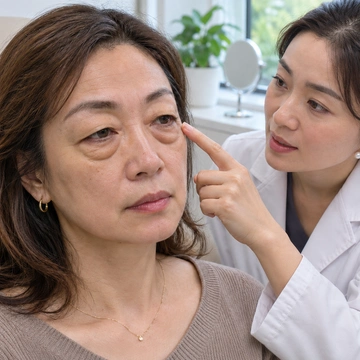
It often starts with a photo. You look at it and think, “Is that really me?” The lids seem heavier than they used to. The skin above your eye has settled lower. The area underneath puffs up, even after a good sleep. Usually this is age, genetics, and gravity doing what they’ve always done, and it doesn’t mean your health is off. Some people shrug it off. Others keep catching their reflection and wishing it looked different. If it bugs you, it’s worth a closer look.
This article covers who tends to be a good fit for eyelid surgery (blepharoplasty), what the procedure involves, what recovery is like, and when a non-surgical option might be enough. If you’re already thinking about surgery, you can read more about eyelid surgery at BMH.
So, What’s Going On?
The skin around your eyes is some of the thinnest on your body, so it stretches and loses firmness over time. The muscle that lifts your upper lid can weaken. The fat that cushions your eye can push forward and collect underneath, and that’s where the bags come from. Some people notice this in their twenties. Others don’t until much later.
Not all puffiness is permanent. A rough night, allergies, a salty dinner, or a few days of water retention can make you look swollen for a while. If the heaviness is still there after weeks, though, it’s usually structural, and it won’t simply fade.
Drooping lids can also affect your vision, especially when extra skin rests on your lashes. According to the World Health Organisation, at least 2.2 billion people have a near or distance vision impairment, and at least 1 billion of those cases could have been prevented or have yet to be addressed. If your vision is changing, see an eye doctor first. That’s a medical question, and it may need a different kind of check than a cosmetic consultation.
Could Surgery Be Right for You?
It might be, if:
- Extra skin on your upper lids makes you look tired, or gets in the way when you read or drive.
- Under-eye bags don’t change with rest, cold compresses, or your usual skincare.
- Your eyelids feel heavy after a long day on a screen or with a book.
- You have a fair idea of what surgery can and can’t do.
That last one matters most. Eyelid surgery tidies up what you already have. It won’t change the shape of your eyes or make you look like someone else. Most people want to look rested and still recognise themselves in the mirror, and that’s the result to aim for.
When Surgery Isn’t the Right Call
Some conditions make surgery riskier or slow healing. These include dry eye, high blood pressure or diabetes that isn’t well controlled, smoking, blood-thinning medication, and recent eye surgery or injury. Your surgeon will go over your history and examine your eyes before suggesting anything. Tell them about everything you take, even if it seems unrelated. It’s the only way to plan safely.
What Happens During the Procedure
Upper eyelid surgery removes or repositions extra skin and, when needed, a little fat. Lower eyelid surgery usually targets the bags, either by moving the fat or removing a small amount, and sometimes by tightening the tissue under the eye. The cuts sit in the natural crease of the upper lid or just below the lashes, so the scars tend to blend in as they heal.
Many people have this as an outpatient procedure and go home the same day. Your surgeon will explain which approach and anesthesia suit you. If you’d like general background first, the Mayo Clinic has information on the procedure.
Recovery, Week by Week
Everyone heals a little differently, but most people go through roughly the same stages. According to the NHS, most people can go home the same day after eyelid surgery, and the first few days bring the most swelling. Sleeping with your head propped up helps. Here’s the rough timeline:
- The first few days: You’ll look swollen and bruised, which is normal. Cold compresses help, and so does doing as little as you can.
- Around one week: Stitches are often removed. Some people are back at their desks within a few days, while others take up to two weeks off, depending on their job. Keep makeup away from the incisions until your surgeon says it’s fine.
- Two to three weeks: Much of the swelling has settled, and things start to feel more normal.
- Several months: Scars keep fading, and the final result becomes clear.
Your surgeon’s instructions on exercise, contact lenses, and eye products come first. Treat any general timeline, including this one, as a rough guide.
Risks to Know About
Eyelid surgery is generally safe when it’s done by a qualified surgeon, but it isn’t risk-free. According to the NHS, it can occasionally cause blurred or double vision, eyes that look uneven, and noticeable scarring. Some people also need a follow-up procedure. Ask your surgeon to explain these risks in relation to your own eyes.
Surgery or Something Gentler?
Not everyone with tired-looking eyes needs an operation. The cause makes the difference:
- Botox can soften lines and heaviness caused by squinting or frowning. It won’t remove extra skin.
- Dermal fillers can fill in hollows under the eyes. They don’t remove fat bags or loose skin, and the results fade.
- Sunscreen, gentle skincare, and sleep can improve fine lines and texture. They won’t tighten loose skin, so be realistic about what they can do.
Surgery makes the most sense when extra skin or fat is the real problem, because it addresses the source. If your concerns are mild, or you’d rather avoid surgery, a non-surgical option is a sensible place to start. You can learn more about Botox and fillers at BMH before deciding.
Questions Worth Asking Your Surgeon
Start by checking that your surgeon is a qualified plastic surgeon with experience in eyelid procedures. The American Society of Plastic Surgeons has helpful guidance on choosing one. Then ask:
- How many upper and lower eyelid procedures have you done?
- Can I see before-and-after photos of patients with concerns like mine?
- Which procedure would you recommend for my eyes, and why?
- What are the risks, and how would you handle them?
- How will recovery fit into my schedule, and what does the cost include?
You can also meet our surgeons and medical team and see who would be treating you.
Your Questions, Answered
Will I have visible scars?
The cuts sit in the natural crease or just below the lashes, so they’re usually hard to spot once healed. Scarring varies from person to person.
Does it hurt?
Most people say it’s uncomfortable rather than painful. Your surgeon will talk you through pain relief.
How long do the results last?
Often for many years. Your face keeps aging, so ask your surgeon what to expect over time.
When can I go back to work?
It depends on your job and how you heal. Some people return within a few days, and others take up to two weeks. Follow your surgeon’s advice.
Will insurance cover it?
That depends on your provider and policy. Surgery done mainly for appearance is often excluded. If your eyelids are affecting your vision, insurers may treat it differently, so check with them and with us before you book.
Ready to Talk It Through?
If tired-looking eyes or changes in your vision are getting in the way of your day, a consultation is the best next step. Get in touch with us to book one.